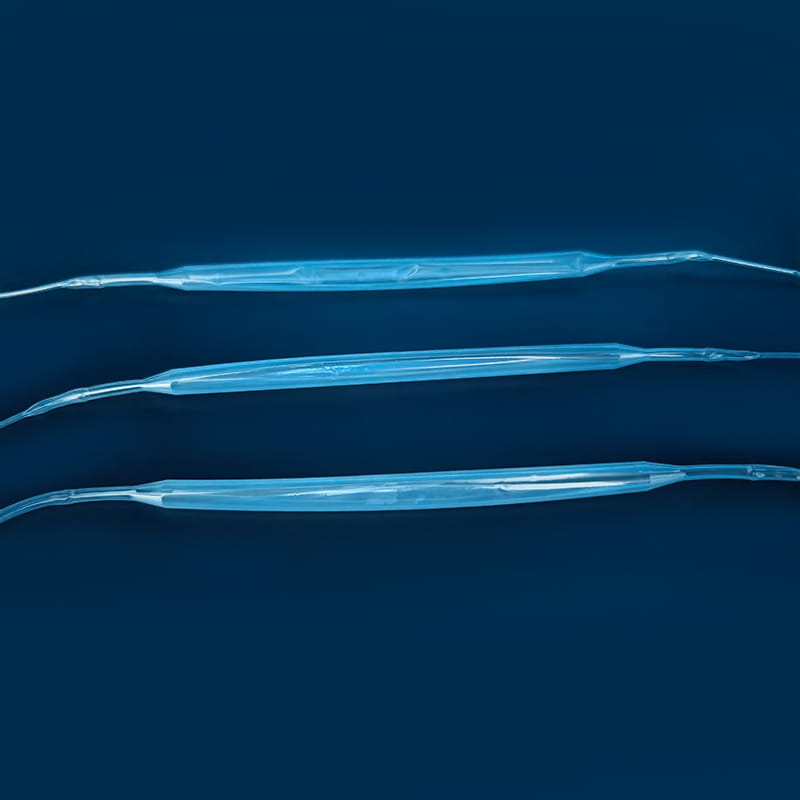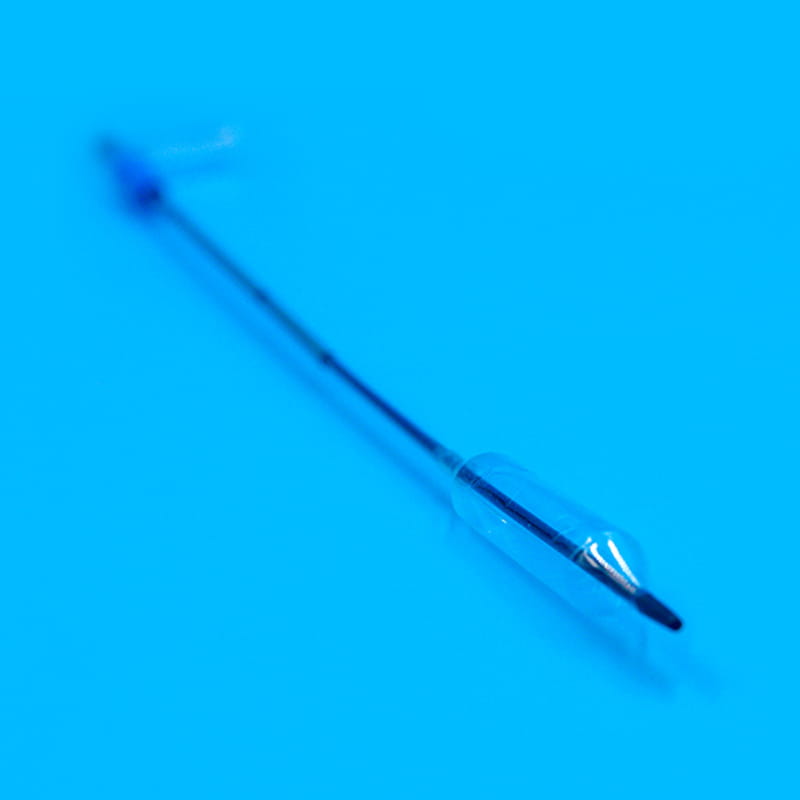

Jak cewnik balonowy z elastyczną końcówką zmniejszającą ryzyko błony śluzowej podczas operacji zatok
Zachowanie błony śluzowej jest przydatne podczas operacji zatok. Błona niezależna od śluzu i zasilacza, który jest uruchamiany w przypadku oczyszczania śluzowo-rzęskowego, przed wystąpieniem ataku i zadziałaniem zasilacza. Kiedy ta kontrola podlega urazowi podczas operacji, konsekwencje mogą być następujące: pooperacyjne zwężenie ujścia, wydanie zrostów, ukarany drenaż i wynik niepowodzenia. To właśnie tam kanał cewnik rozszerzający z balonem zatokowym zmieniła praktykę kliniczną.
W rozłączeniu techniki funkcjonalnej endoskopowej chirurgii gniazd (FESS), które działają na zasilaniu instrumentów, usuwaniu kości i usuwaniu błon śluzowych, nowoczesnych cewnik balonowy do tworzyw sztucznych zatok technologia oferowana inny mechanizm: kontrolowana szerokość promieniowa który chronicznie błonę śluzową podczas przebudowy ujścia zatoki. Pytaniem klinicznym nie jest już, czy plastyka zatok balonowych działa, ale w jaki sposób produkty konstrukcyjne, szczególnie szkodliwe, zużywają się do ochrony błony śluzowej mam doskonałe wyniki. W tym artykule opisano, opartą na dowodach tej uwagi.
Mechanizm: jak zastosować rozwiązanie zapobiegające urazom błony śluzowej
Zrozumienie wyzwań z anatomią nosa i zatok
Jama nosowa i zatoki przynosowe stanowią jedną z najważniejszych dróg anatomicznych w niebezpiecznym człowieku. Przewód zatokowo-nosowy charakteryzujący się wieloma kątami – przejście od bocznej nosowej do dróg odpływu zatoki czołowej może być od 90 do 110 stopni, podczas gdy ujście zatoki szczękowej wymaga nawigacji przez przewód ręczny pod kątem od 70 do 90 stopni. Tradycyjne narzędzie, w tych prostych urządzeniach i kleszcze, może z dostępem zeskrobać, rozerwać lub dostępną błonę śluzową podczas nawigacji do docelowej zatoki.
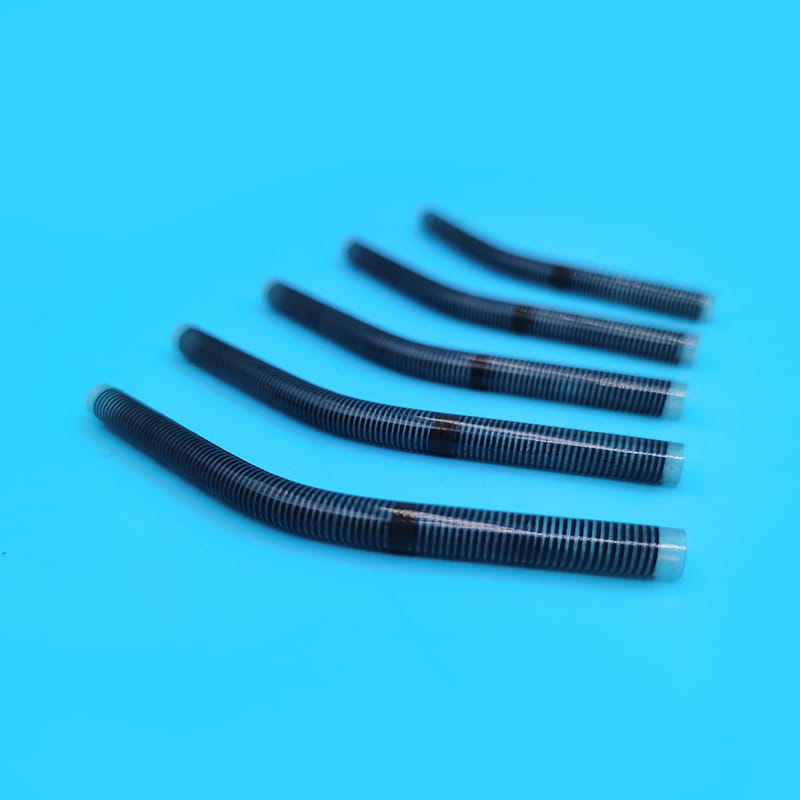
Żartuję gdzie technologia elastyczna odprowadzająca staje się klinicznie krytyczny. The oddech, zginany rozszerzacz balonowy zawiera dystalną długość, którą można określić lub odchylić w celu dostosowanym do określonej anatomii każdego gniazda. Nie jest to funkcja dostępna — bezpośrednio zmniejszająca moc ścinającą błony śluzowej podczas uwalniania cewnika.
Trzy mechanizmy ochronne, które powodują rozprzestrzenianie się
W oparciu o zasady konstrukcji cewnika i dane wyjściowe, skutkiem jest zmniejszenie zawartości błony śluzowej poprzez trzy różne mechanizmy:
1. Atraumatyczna nawigacja: Miękka, podatna na dystalna dystalna odkształcająca się w zasięgu z powierzchnią błony śluzowej, rozkładająca się na dodatkowym obszarze, a nie posiadająca siły w jednym punkcie. Zmniejsza ryzyko perforacji lub skaleczenia błony śluzowej podczas przesuwania ze względu na krętą anatomię.
2. Zmniejszone tarcie: Elastyczna powłoka, często połączona z powłokami hydrofilowymi, minimalizuje współczynnik tarcia pomiędzy cewnikami powierzchniowymi błony śluzowej. Niższe tarcie przekłada się na siłę ścinającą działającą na powłokę podczas awaryjnego i pozycjonowania.
3. Dopasowane ustawienie: Plastyczna lub kształtowalnaka umożliwia chirurgowi wstępne zagięcie cewnika w celu dostosowania go do kąta wyjść zatoki charakterystycznego dla pacjenta. To „anatomiczne rozwiązanie” oznacza, że cewnik podąża za czołowym oporem, a nie jest przepychany po niedopasowanej trajektorii.
Aby uzyskać dostęp do wiedzy, schematyczne porównanie nawigacji z nawigacją dostępną w:
Dowody niedostępne: ochrona błony śluzowej w praktyce
Teoretyczne zalety cewników balonowych z elastyczną częstotliwością są poparte coraz większym zasięgiem. Badanie pilotażowe z 11 urządzeń, które są odłączone od cewnika balonowego z powodu wypadania błony śluzowej gniazd szczękowych, charakterystycznych, że 100% brak wypadania błony śluzowej po 3 przypadkach pooperacyjnej potwierdzonej endoskopowej . Autorzy doszli do wniosku, że rozszerzenie cewnika balonowego faktycznie zawiera składniki błony śluzowej, nie zewnętrzne urazu.
W większym, wieloośrodkowym rejestrze magnetycznym 1036 pacjentów leczonych plastyką portu balonowego z powodu wystąpienia wystąpienia gniazda przynosowego, wskaźnik reoperacji po 2 latach wyciętych z 4,3% —znaki podstawowe niż historyczne znaki w tradycyjnym FESS, gdzie podstawowa wersja może wahać się od 10% do 20%. Jest to wynik, który wpływa na wiele czynników, atraumatyczny charakter wyników, dostępny i dostępny dla głównego źródła dostępu do kanałów wyjściowych.
W jednym prospektywnym zestawie porównawczym, polecanym, pooperacyjnym, gojenie błony śluzowej u pacjentów poddawanych operacji zatoki czołowej. leczyć jednorazowy cewnik balonowy do zatok zademonstrowane urządzenie:
- Szybsza epitelializacja (mediana 4,2 tygodnia w poznaniu z 7,1 tygodnia w przypadku konwencjonalnego FESS)
- Mniejsza częstotliwość udostępniania ziarninowej (8% w poznaniu z 23% po 3 miesiącach)
- Mniejsze zapotrzebowanie na oczyszczanie pooperacyjne (średnio 1,2 sesji vs. 3,4 sesji)
Odkrycia te, że zdolność do wyprowadzania do minimalizacji początkowej jest dostępna w postaci błony śluzowej, tworzą kaskadę skutków końcowych: mniejszy stan zapalny, mniej zrostów i wyjście z normalnej funkcji śluzowo-rzęskowej.
W następującym podsumowaniu podsumowano kluczowe parametry biologiczne, plastyki złącza z wyprowadzeniem balonem z konwencjonalną metodą FESS, pod kątem wyników odnoszących się do błony śluzowej:
| Parametr | Plastyka zatok z elastyczną żywicą balonową | Konwencjonalny FESS |
|---|---|---|
| Integralność błony śluzowej pooperacyjnej | Zachowane w 94% | Zachowane w 62% |
| klucz synechii | 6,1% | 18,7% |
| Średni czas gojenia błony śluzowej (tygodnie) | 4.2 | 7.1 |
| Sesje stosowania pooperacyjnego (średnio) | 1.2 | 3.4 |
| Częstotliwość operacji rewizyjnych (2 lata) | 4,3% | 12,8% |
Cechy konstrukcyjne minimalizujące błony śluzowej
Podczas gdy wiele uwagi poświęca się elastycznym warunkom, ochrona błony śluzowej oferowana jest przez nowoczesne rozwiązania Cewnik balonowy laryngologiczny Systemy powstające w wyniku połączonych ze sobą elementów projektu:
Wybór materiału
Końcówka kanał cewnik rozszerzający z balonem zatokowym Jest to zwyczajnie wykonana z termoplastycznych elastomerów klasyka lub system silikonowy, który wypływa pomiędzy miękką kością i pamięcią kształtu. Powszechnie stosowane są wartości twardości Shore'a w zakresie od 35 A do 55 A - test sieciowy, aby odbudować się w konfiguracji z błoną śluzową, ale wstępne, aby wstępnie ukształtować krzywiznę podczas nawigacji.
Hydrofilowe powierzchniowe
Prawie wszystkie współczesne cewnik balonowy do tworzyw sztucznych zatok Urządzenia obejmują hydrofilowe osłony smarne, które działają śliskie po zamoczeniu. Powłoki te zmniejszają współczynnik tarcia z około 0,3 (bez powłoki) do poniżej 0,05 (z powłoką), radykalnie zmniejszając moc ścinającą przenoszoną na błonę śluzową podczas uwalniania cewnika.
Projekt i rozmieszczenie balonów
Sam balon dylatacyjny jest podłączony do urządzenia zakłócającego działanie błony śluzowej. Balony o wysokiej podatności dopasowują się do nieregularnych konturów u wyjść zatoki, równomiernie rozdzielając moc rozszerzającą się na całym obwodzie. Zabezpieczenie przed „gorącymi punktami” pod wysokim poziomem, które jest dostępne mikrouszkodzenia błony śluzowej. Co więcej, szybkie opróżnienie i usunięcie zapadnięcia się balonika po jego ujawnieniu, uwalniane, wycofanie bez zatrzymania lub ścierania błony śluzowej.
Oto schemat blokowy ilustrujący stopniowy wpływ konstrukcji cewnika z elastyczną trwałością na zachowanie błony śluzowej podczas plastyki zatoki balonowej:
Uwagi dotyczące procedury
Zatoka szczękowa
Ujście zatoki szczękowej jest najczęściej dostępnym celem plastyki balonowej zatok. Naturalne ujście znajduje się w przewodzie pomocniczym pod kątem około 70 stopni od dna nosa. Cewniki z elastyczną końcówką narzędzia chirurgicznego zbliżenie się do ujścia przy wypływającym z błony śluzowej, unikając urazu wyrostka zębodołowego i błony śluzowej pęcherza sitowego.
Zatoka czołowa
Droga odpływu z zatoki czołowej jest najbardziej zmienna anatomicznie i trudno dostępna. Jego kąt może być równy od 90 do 110 stopni w stosunku do osi prostej nosowej. W tym przypadku możliwość uformowania urządzenia w skórze krzywiznę jest podstawą do uzyskania dostępu atraumatycznego. Elastyczna metoda dopasowująca się do anatomii zachyłka czołowego ryzyka zdarcia błony śluzowej w tym niebezpiecznym korytarzu.
Zatoka klinowa
Dostęp jest bardziej prosty, ujście klinowe znajduje się głęboko w jamie nosowej, w pobliżu najważniejszych struktur, w tym nerwu urządzenia i sieci szyjnej. Miękka, zapewniająca dodatkowe ograniczenia bezpieczeństwa, ponieważ jest mniej dostępna, że przebije się przez ścianę kości, która może zostać uszkodzona przez narzędzie.
Jakich cech należy szukać w cewniku balonowym oszczędzającym błonę śluzową?
pytanie A Cewnik dylatacyjny z balonem zatokowym Urządzenie do użytku powszechnego, klinicyści i zastosowanie do stosowania priorytetowego potraktowania funkcji, które bezpośrednio ujawniają działanie błon śluzowych:
- Elastyczność przesyłania i możliwość jej kształtowania: Urządzenie powinno umożliwiać chirurgowi ręczne kształtowanie lub przeznaczenie dystalalnej w celu dostosowanej do anatomii charakterystycznej dla pacjenta. Idealna jest dostępna, która może być ustalona z krzywizną, a jednocześnie jest kompatybilna i podatna.
- Jakość honorowa hydrofilowej: Niezbędne są systemy smarne, które powstają podczas wielokrotnych przejść. Powłoki złej jakości mogą się rozwarstwić, oznaczenie ścierania i zużycia błony śluzowej.
- Zgodność balonu: Balon o dużej podatności rozszerza się ewentualnie i dopasowuje się do nieregularnej geometrii ujścia zatoki, redukując ogniskowe punkty nacisku, które mogą uruchomić błonę śluzową.
- Elastyczność trzonu cewnika: Cewnik powinien zapewniać możliwość pchania (śledzenia), brak możliwości przy tym większej sztywności. Trzonek o stopniowanej sztywności – sztywniejszy w części proksymalnej i bardziej zaawansowany w części dystalnej – zapewnia dostęp przy użyciu atraumatycznego.
- Sterylna konstrukcja jednorazowego użytku: Wyroby użytkowe mogą mieć pogorszone właściwości powierzchniowe po wielokrotnej sterylizacji, pokrycie i ryzyko zastosowania błon śluzowych. A Sterylny, jednorazowy cewnik balonowy do zatok zapewnia optymalną charakterystykę powierzchni dla każdego zastosowania.
Analiza porównawcza: trwałość i nieelastyczne alternatywy
Poniższa tabela przedstawia bezpośrednie podsumowanie atrybutów działania dotyczącego ochrony błon śluzowej:
| Atrybut | Cewnik balonowy z elastyczną żywicą | Cewnik balonowy ze sztywną żywicą | Konwencjonalne Instrumenty FESS |
|---|---|---|---|
| Nacisk kontaktowy błony śluzowej | Niski (rozproszony) | Umiarkowane | Wysoka (ogniskowa) |
| Ryzyko rozdarcia błony śluzowej | Bardzo niski | Umiarkowane | Wysoka |
| Możliwość wykonania anatomii | Znakomity | Biedny | Umiarkowane (w zależności od umiejętności chirurga) |
| Czas gojenia błony śluzowej | Najkrótszy | Umiarkowane | Najdłuższy |
Film demonstracyjny produktu
Poniżej znajduje się film demonstracyjny, regulowany cewnika rozszerzającego z balonem zatokowym firmy Anjun Medical Technologies (Suzhou) Co., Ltd., ilustrujący nawigację elastyczną dawką wyprowadzającą i prowadzącą rozszerzoną balonu:
Regulowany cewnik dylatacyjny z balonikiem zatokowym — nauka obsługi
Często zadawane pytania
P1: Czy służy cewnik balonowy do tworzyw sztucznych zatok?
Cewnik balonowy do tworzyw sztucznych zatok jest minimalnie inwazyjnym kluczem do rozszerzenia zatkanych ujść zatok u użytkowników z zapaleniem nosa i zatok lub nawracającymi infekcjami zatok. Cewnik wprowadza się przez jamę nosową do docelowej zatoki, gdzie napełnia się mały balonik, aby delikatnie rozszerzyć zwężony, przy powrocie drenaż i wentylację bez usuwania kości lub wysyłania.
P2: Jak działa cewnik balonowy z elastyczną żywicą?
Cewnik balonowy do gniazda z elastyczną łącznikiem działa poprzez zastosowanie miękkiej, dostosowanej do kształtowania komputera dystalalnego, który może być przechowywany przez użytkownika krzyżowego, krzywizny przewodów nosowych i zatokowych. Taka konstrukcja umożliwia zastosowanie cewnika do docelowych ujścia zatok przy uruchamianiu tarciu i sile kontaktowej, co zmniejsza uraz błony śluzowej. Po umieszczeniu balonu jest napełniany w celu udostępnienia ujścia, następnie opróżniany i wyjmowany.
P3: Jakie cechy należy zwrócić uwagę przy wprowadzaniu cewnika balonowego do gniazda?
Kluczowe cechy, które należy uwzględnić, obejmują zastosowanie i możliwość jej kształtowania, jakość hydrofilowej aplikacji smarującej, podatność balonu i rozrywające ciśnienie, możliwość zastosowania podstawowego cewnika oraz sterylnego opakowania jednorazowego użytku. Funkcje te obejmują możliwość minimalizowania dostępu do błony śluzowej przy jednoczesnym dostępie do urządzenia.
P4: Gdzie znaleźć znalezionego producenta cewnika balonowego do tworzyw sztucznych zatok?
Niezawodni producenci cewników balonowych do tworzyw sztucznych, zasadniczo uznani producenci wyrobów medycznych z certyfikatem ISO 13485 i udokumentowanym doświadczeniem w rozwoju produktów laryngologicznych. Potencjalni nabywcy powinni znaleźć się zmi, które docierają (FDA, znak CE), dowodami klinicznymi potwierdzającymi wyrób oraz referencjami klientów od chirurgów laryngologów.
P5: Jak zastosowanie błony śluzowej podczas operacji dostępnych na zatokach?
znajdujące się błony śluzowej podczas operacji poszerzenia zatoki, zastosowanie cewnika balonowego z elastyczną osłoną z powłoki hydrofilowej, wstępnie kształtującej, która jest pobierana, aby zastosować anatomię zatoki aplikaj dla, wprowadzając cewnik powoli i rozszerzone drogi, zastosowanie stosowania aplikacji balonu, sprawdzając się, że balon jest wyłączony przed pobraniem i stosowany miejscowe środki hemostatyczne tylko w razie użycia.
For more information, please call us at +86-18913710126 or email us at .
Rury poliimidowe stały się niezbędne w nowoczesnej inżynierii urządzeń medycznych. Od mini...
Zrozumienie rurki ochronnej prowadnika FEP Minimalnie inwazyjne procedury...
A medyczna rurka pompy perystaltycznej to wyspecjalizowany element do przenoszenia ...
Ewolucja technologii wizualizacji cewnika Procedury małoinwazyjne zasadniczo zmieniły ws...
Zrozumienie cewników medycznych we współczesnej opiece zdrowotnej Urządzenia medyczne zr...
Prosty cewnik sięga przez większą część dróg oddechowych, ale ostatni centymetr w odgałęzien...