
Jak konserwować i dbać o cewniki medyczne: najlepsze praktyki
Wprowadzenie
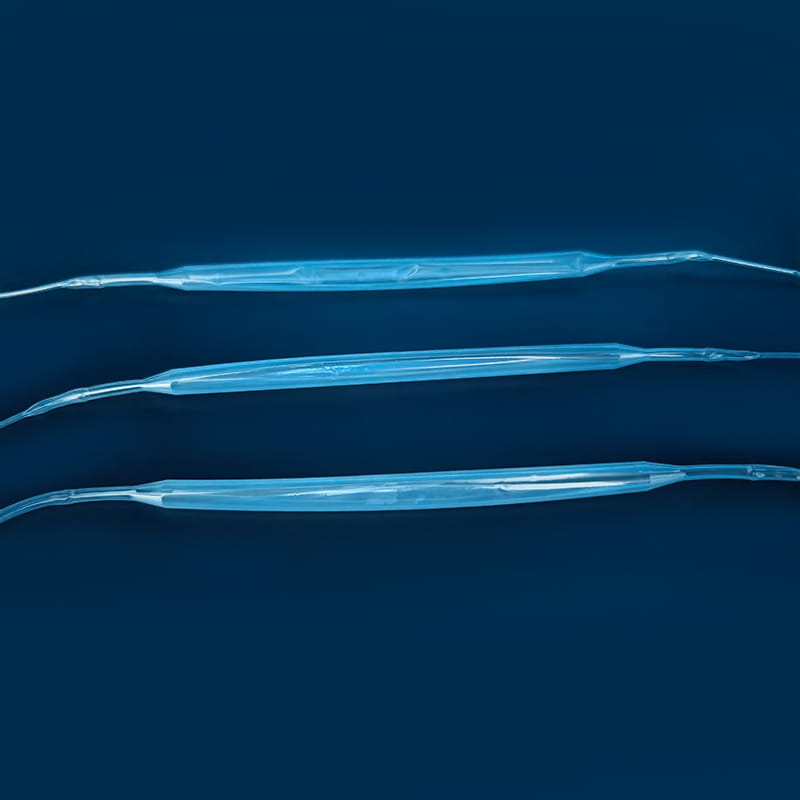
Cewniki medyczne to istotne elementy współczesnej opieki zdrowotnej, odgrywające kluczową rolę w leczeniu i opiece nad pacjentami. Niezależnie od tego, czy chodzi o zabiegi moczowe, dożylne czy inne, cewniki służą do odprowadzania płynów, podawania leków lub monitorowania różnych schorzeń. Aby zapewnić trwałość, skuteczność i bezpieczeństwo cewników medycznych, niezbędna jest prawidłowa konserwacja i pielęgnacja.
Zrozumienie znaczenia pielęgnacji cewnika
Konserwacja cewnika ma kluczowe znaczenie dla zapobiegania infekcjom, zapewnienia prawidłowego działania urządzenia i uniknięcia niepotrzebnych komplikacji dla pacjentów. Cewnikami medycznymi, w tym rurkami drenażowymi z PVC i TPU, należy starannie zarządzać, aby nie dopuścić do zablokowania i zanieczyszczenia. Zaniedbanie właściwej opieki może skutkować zakażeniami związanymi z cewnikiem (CRI), które są istotną przyczyną zachorowalności w placówkach opieki zdrowotnej.
Rodzaje cewników medycznych
Przed zapoznaniem się z praktykami konserwacji ważne jest poznanie różnych typów powszechnie stosowanych cewników medycznych:
Cewniki moczowe: Służy do odprowadzania moczu z pęcherza.
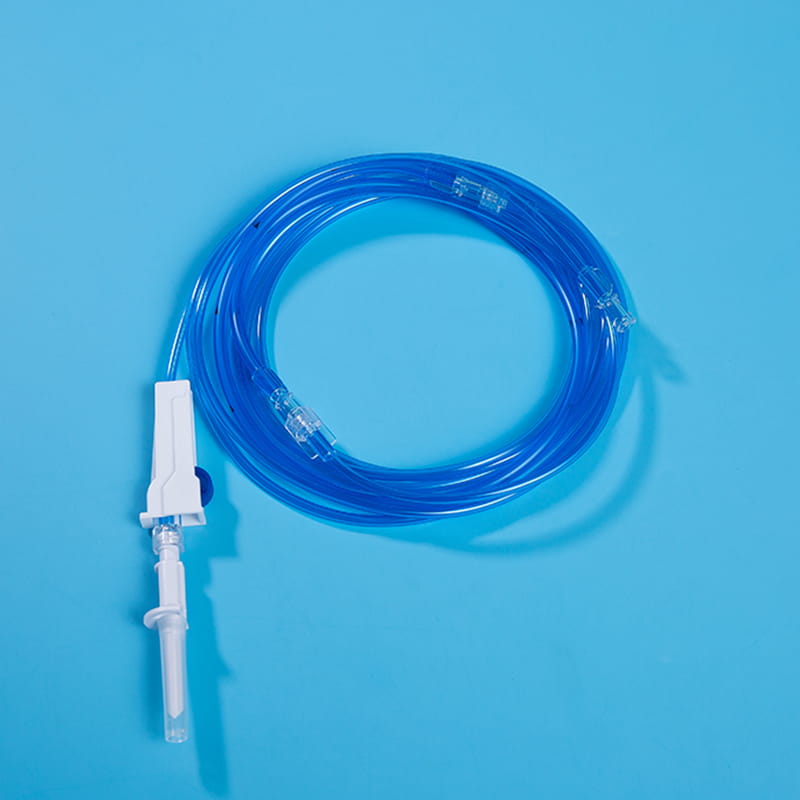
Cewniki dożylne: Służy do dożylnego podawania płynów i leków.
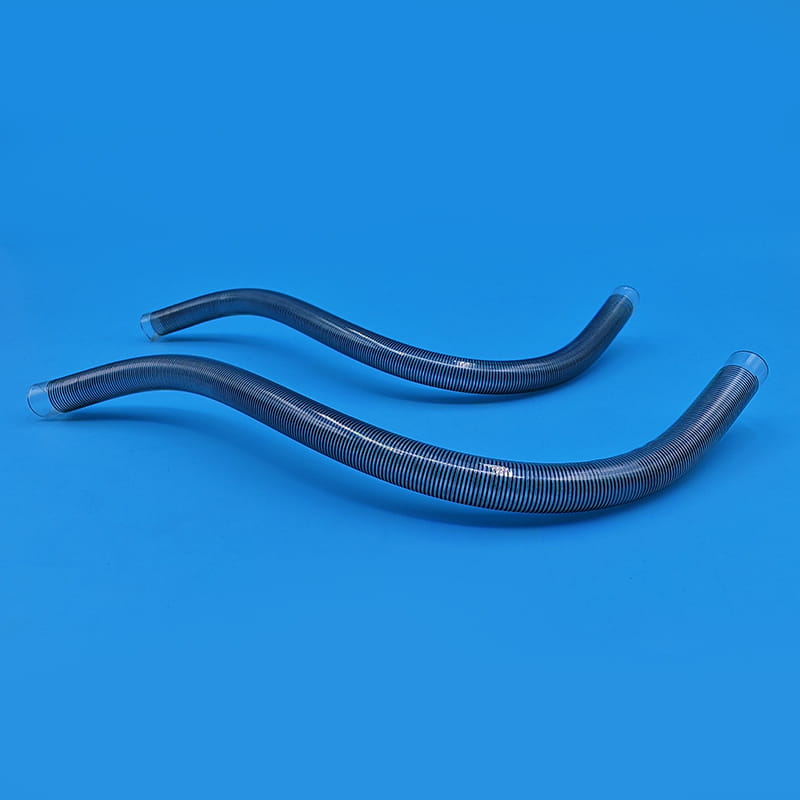
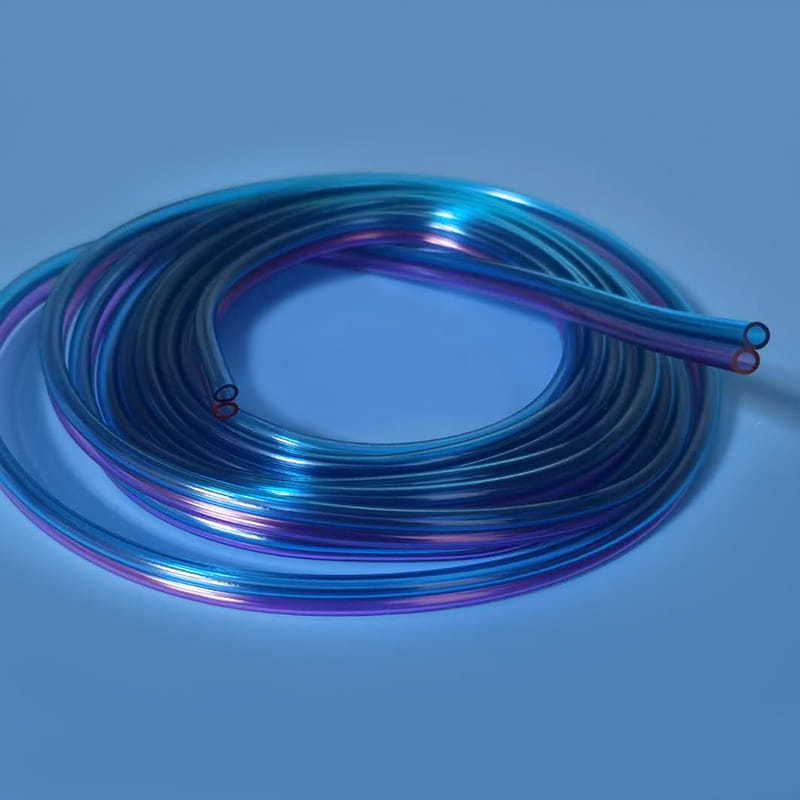
Rury drenażowe: Rurki te, w tym rurki drenażowe z PVC i rurki drenażowe z TPU, są często używane do odprowadzania płynów z rany lub miejsca operacji.
Każdy typ cewnika ma swoje specyficzne wymagania dotyczące konserwacji, które zostaną omówione w kolejnych rozdziałach.
Najlepsze praktyki dotyczące czyszczenia i odkażania cewników
Właściwe czyszczenie i odkażanie są niezbędne, aby zmniejszyć ryzyko infekcji.
Proces czyszczenia krok po kroku:
Dokładnie umyj ręce: Zawsze zaczynaj od umycia rąk mydłem i wodą przed kontaktem z cewnikami medycznymi.
Używaj sterylnego sprzętu: Podczas pracy z cewnikami należy używać sterylnych rękawiczek i narzędzi, aby zapobiec zanieczyszczeniu.
Zdezynfekuj powierzchnię cewnika: Przetrzeć cewnik sterylną chusteczką nasączoną alkoholem lub roztworem antyseptycznym, aby usunąć wszelkie pozostałości zanieczyszczeń.
Spłucz czystą wodą: Po dezynfekcji należy delikatnie przepłukać cewnik czystą, sterylną wodą, aby upewnić się, że jest wolny od środków czyszczących.
Wysuszyć cewnik: Wysuszyć cewnik na powietrzu lub wytrzeć go do sucha sterylną szmatką przed ponownym założeniem lub przechowywaniem.
Zalecana częstotliwość:
- W przypadku cewników krótkotrwałych (mniej niż 1 tydzień): Czyścić codziennie.
- W przypadku cewników długoterminowych: Czyszczenie powinno odbywać się co 3–5 dni lub zgodnie z zaleceniami personelu medycznego.
Zapobieganie blokadom cewników medycznych
Zablokowania cewników medycznych, takich jak rurki drenażowe z PVC lub rurki drenażowe z TPU, mogą powodować poważne powikłania, w tym infekcję, uszkodzenie tkanki lub nieprawidłowy drenaż. Aby zapobiec blokadom, wykonaj następujące kroki:
Regularne płukanie: Okresowo przepłucz cewnik sterylnym roztworem soli fizjologicznej, aby usunąć wszelkie potencjalne zatory.
Unikaj załamań i zagięć: Upewnij się, że cewnik nie jest skręcony ani zagięty, ponieważ może to utrudniać przepływ.
Monitoruj drenaż: Zawsze sprawdzaj, czy nie występują oznaki niedrożności, takie jak nagłe zmniejszenie drenażu lub wzrost ciśnienia.
Wskazówka: Jeśli używasz rurki drenażowej z PVC, sprawdź, czy pozostaje ona giętka i wolna od pęknięć lub uszkodzeń, które mogłyby spowodować zablokowanie.
Zarządzanie i zapobieganie infekcjom
Infekcje są jednym z częstych zagrożeń związanych z cewnikami medycznymi, dlatego profilaktyka jest najważniejsza.
Wskazówki dotyczące zapobiegania infekcjom:
Utrzymuj miejsce wstawienia w czystości: Regularnie czyść obszar wokół miejsca wprowadzenia cewnika chusteczkami antyseptycznymi.
Stosuj sterylne techniki: Podczas wymiany lub regulacji cewnika należy zawsze stosować techniki sterylne.
Regularnie wymieniaj cewniki: W zależności od rodzaju cewnika niektóre należy okresowo wymieniać, aby zmniejszyć ryzyko infekcji.
Monitoruj infekcje: Należy zachować czujność pod kątem wszelkich objawów zakażenia, takich jak zaczerwienienie, obrzęk lub wydzielina w miejscu założenia. W przypadku pojawienia się tych objawów należy natychmiast zwrócić się o pomoc lekarską.
Konserwacja cewników do rurek drenażowych z PVC i TPU
Rurki drenażowe z PVC i TPU są powszechnie stosowane w procedurach medycznych do odprowadzania płynów. Każdy materiał ma specyficzne cechy, które wpływają na praktyki konserwacji.
Rury drenażowe z PCV:
- Czyszczenie: Rury PCV są stosunkowo łatwe do czyszczenia, należy jednak uważać na ich sztywność. Należy uważać, aby nie były one poddawane nadmiernemu zginaniu, gdyż może to spowodować uszkodzenie rury.
- Sterylizacja: Rurki PCV można sterylizować w autoklawach, należy jednak sprawdzić wytyczne producenta, aby zapewnić zgodność z metodą sterylizacji.
Rury drenażowe TPU:
- Elastyczność: Węże TPU są bardziej elastyczne niż węże PCV, co sprawia, że nadają się do długotrwałego użytkowania.
- Czyszczenie: Probówki te mogą być bardziej podatne na plamienie; dlatego należy je czyścić natychmiast po każdym użyciu, aby zachować ich przejrzystość i funkcjonalność.
- Trwałość: Materiał TPU jest bardziej odporny na wysokie temperatury i chemikalia, dzięki czemu idealnie nadaje się do niektórych zastosowań medycznych, gdzie wymagana jest większa trwałość.
Rozwiązywanie typowych problemów z cewnikiem
Chociaż cewniki medyczne są niezbędne w przypadku wielu zabiegów, czasami mogą pojawić się problemy. Oto kilka typowych problemów i wskazówki dotyczące ich rozwiązywania:
Problem: Zatkanie cewnika
Rozwiązanie: Przepłucz cewnik sterylną solą fizjologiczną lub rozważ delikatną, nieinwazyjną metodę usunięcia blokady.
Problem: Wyciek cewnika
Rozwiązanie: Sprawdź cewnik pod kątem rozdarć lub uszkodzeń. W przypadku stwierdzenia nieszczelności należy natychmiast wymienić cewnik.
Problem: Trudności z usunięciem cewnika
Rozwiązanie: Przed usunięciem należy upewnić się, że cewnik został odpowiednio nasmarowany. Jeżeli pojawi się opór, zwrócić się o pomoc lekarską.
Przechowywanie i utylizacja cewników medycznych
Właściwe przechowywanie i utylizacja cewników medycznych ma kluczowe znaczenie dla zapobiegania infekcjom i bezpieczeństwa.
Przechowywanie:
- Nieużywane cewniki przechowywać w chłodnym i suchym miejscu.
- Aby zachować sterylność, należy upewnić się, że opakowanie jest nienaruszone.
Utylizacja :
- Zużyte cewniki należy utylizować zgodnie z lokalnymi przepisami dotyczącymi usuwania odpadów medycznych.
- Unikaj spłukiwania cewników w toalecie, aby zapobiec problemom z instalacją wodną i skażeniu środowiska.
Kiedy wymienić cewniki medyczne
Żywotność cewnika medycznego zależy od jego rodzaju i sposobu użytkowania. Aby zmniejszyć ryzyko powikłań, konieczna jest regularna wymiana cewników.
Wytyczne dotyczące wymiany:
- Cewniki moczowe: Zwykle wymieniany co 2 do 4 tygodni.
- Cewniki dożylne: Zwykle wymieniane co 72–96 godzin, aby zmniejszyć ryzyko infekcji.
- Rury drenażowe: Postępuj zgodnie z zaleceniami lekarza dotyczącymi wymiany, w zależności od materiału cewnika i jego zastosowania.
Często zadawane pytania
1. Jak często należy czyścić cewnik medyczny?
- Zależy to od rodzaju i sposobu użytkowania, ale przy długotrwałym użytkowaniu należy czyścić cewnik co 3-5 dni.
2. Co powinienem zrobić, jeśli cewnik zostanie zablokowany?
- Delikatnie przepłucz cewnik sterylnym roztworem soli fizjologicznej. Jeśli blokada nie ustąpi, zasięgnij porady lekarza.
3. Czy mogę używać tego samego cewnika do wielu zastosowań?
- Niektóre cewniki są przeznaczone wyłącznie do jednorazowego użytku, podczas gdy inne można wykorzystać ponownie, jeśli są odpowiednio czyszczone i konserwowane.
4. Jak mogę zapobiegać infekcjom podczas stosowania cewnika?
- Utrzymuj miejsce wprowadzenia cewnika w czystości, podczas regulacji stosuj sterylne techniki i regularnie wymieniaj cewnik.
5. Co powinienem zrobić, jeśli podczas stosowania cewnika odczuwam dyskomfort?
- Jeśli odczuwasz dyskomfort, sprawdź cewnik pod kątem załamań lub blokad, a jeśli dyskomfort będzie się utrzymywał, skonsultuj się z lekarzem.
Wniosek
Właściwa konserwacja i pielęgnacja cewników medycznych ma kluczowe znaczenie dla zapewnienia bezpieczeństwa pacjenta, komfortu i funkcjonowania cewnika. Niezależnie od tego, czy używasz rurek drenażowych z PCV, czy rurek drenażowych z TPU, przestrzeganie praktyk opisanych w tym artykule może pomóc w zapobieganiu infekcjom, zatorom i innym powikłaniom. Aby uzyskać szczegółowe wskazówki dotyczące pielęgnacji i konserwacji cewników medycznych dostosowanych do indywidualnych potrzeb, należy zawsze skonsultować się z pracownikiem służby zdrowia.
For more information, please call us at +86-18913710126 or email us at .
Rury poliimidowe stały się niezbędne w nowoczesnej inżynierii urządzeń medycznych. Od mini...
Zrozumienie rurki ochronnej prowadnika FEP Minimalnie inwazyjne procedury...
A medyczna rurka pompy perystaltycznej to wyspecjalizowany element do przenoszenia ...
Ewolucja technologii wizualizacji cewnika Procedury małoinwazyjne zasadniczo zmieniły ws...
Zrozumienie cewników medycznych we współczesnej opiece zdrowotnej Urządzenia medyczne zr...
Prosty cewnik sięga przez większą część dróg oddechowych, ale ostatni centymetr w odgałęzien...